
Agriculture in Marondera: The Engine of Our Economy
Agriculture is not just an industry in Marondera—it is the absolute backbone of our local economy and the primary livelihood for the majority of our 136,000+ residents. Blessed with highly fertile soils, a temperate highveld climate, and exceptional water security, Marondera Rural District is proudly recognized as a premier agricultural hub in Zimbabwe.
From large-scale commercial estates driving national exports to resilient smallholder farmers ensuring household food security, our district is a powerhouse of diverse agricultural production.
The Highveld Advantage
Sitting at an elevation of 1,670 meters and serving as the watershed for three major national rivers, Marondera enjoys unique geographic advantages:
- Reliable Rainfall & Climate: The high altitude provides a cooler, temperate climate that is ideal for a wide variety of crops and mitigates extreme heat stress on livestock.
- Unmatched Water Security: Supported by a network of over 60 established dams, our farmers have the capacity to sustain year-round irrigation, completely transforming productivity outside the standard rainy season.
- Strategic Location: Located just a short distance from Harare along the Mutare highway corridor, our farmers have rapid, direct access to the capital’s massive consumer markets and national export hubs.
Key Agricultural Sectors
Our district’s agricultural output is highly diversified, ensuring economic resilience and continuous growth.
1. Commercial Crop Production
Marondera is a major contributor to Zimbabwe’s national strategic crop output. Our commercial farming sector operates at a highly mechanized level, heavily utilizing our extensive dam network for irrigation.
- Tobacco: A leading cash crop, with Marondera producing some of the highest quality export-grade flue-cured tobacco in the province.
- Cereals & Grains: Large-scale production of maize, winter wheat, and soya beans, critical for both national food reserves and stock feed manufacturing.
2. High-Value Horticulture
Because of our cool climate and proximity to Harare’s markets and the international airport, horticulture is a rapidly expanding, high-revenue sector.
- Export Crops: Commercial estates are leading producers of export-quality peas (mange tout and sugar snap), fine beans, and berries.
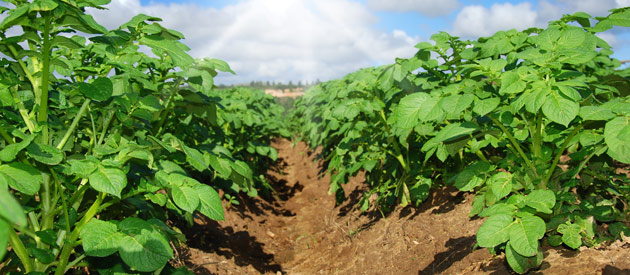
- Market Gardening: Small to medium-scale farmers continuously supply fresh produce—including tomatoes, leafy greens, cabbages, and potatoes—to urban centers.
3. Livestock & Dairy Farming
The district’s sprawling grasslands and high-quality pastures support a robust livestock sector.
- Beef & Dairy: Marondera is home to established cattle ranches and modern dairy operations that supply major national processors.
- Poultry & Piggery: A high concentration of both commercial and community-level poultry (broilers and layers) and pig farming, driven by the strong local demand for protein.
4. Smallholder & Communal Farming
Our communal and resettlement farmers are the bedrock of local food security across our 23 wards. Supported by government extension programs like Pfumvudza/Intwasa, these communities are increasingly adopting climate-smart agriculture to maximize yields in maize, traditional grains (sorghum and millet), and groundnuts.
How the Council Supports Farmers
The Marondera Rural District Council (MRDC) plays a highly active role in enabling agricultural success. We view our farmers not just as residents, but as our primary economic partners.
Our support mechanisms include:
- Infrastructure Maintenance: Our Engineering Department prioritizes the continuous grading and rehabilitation of rural feeder roads and bridges, ensuring farmers can safely and swiftly transport their produce to market.
- Spatial Planning & Land Allocation: The Council facilitates organized land use, zoning specific areas for agro-residential development and commercial farming to prevent land degradation.
- Veld Fire Management: Through the Department of Environment, we enforce strict fireguard by-laws and conduct aggressive fire awareness campaigns to protect valuable pastures, crops, and farming infrastructure.
- WASH & Dip Tanks: We maintain crucial rural infrastructure, including community boreholes and dip tanks, to ensure the health of both our farming communities and their livestock.
???? Invest in Agro-Processing
While Marondera is a leader in primary agricultural production, massive potential remains untapped in the value-addition and agro-processing sectors.
Marondera RDC is actively seeking investors to establish local processing facilities—such as abattoirs, dairy processing plants, tobacco grading floors, and fruit/vegetable canning factories. By investing in Marondera, you gain direct, immediate access to high-quality raw materials right at the source.