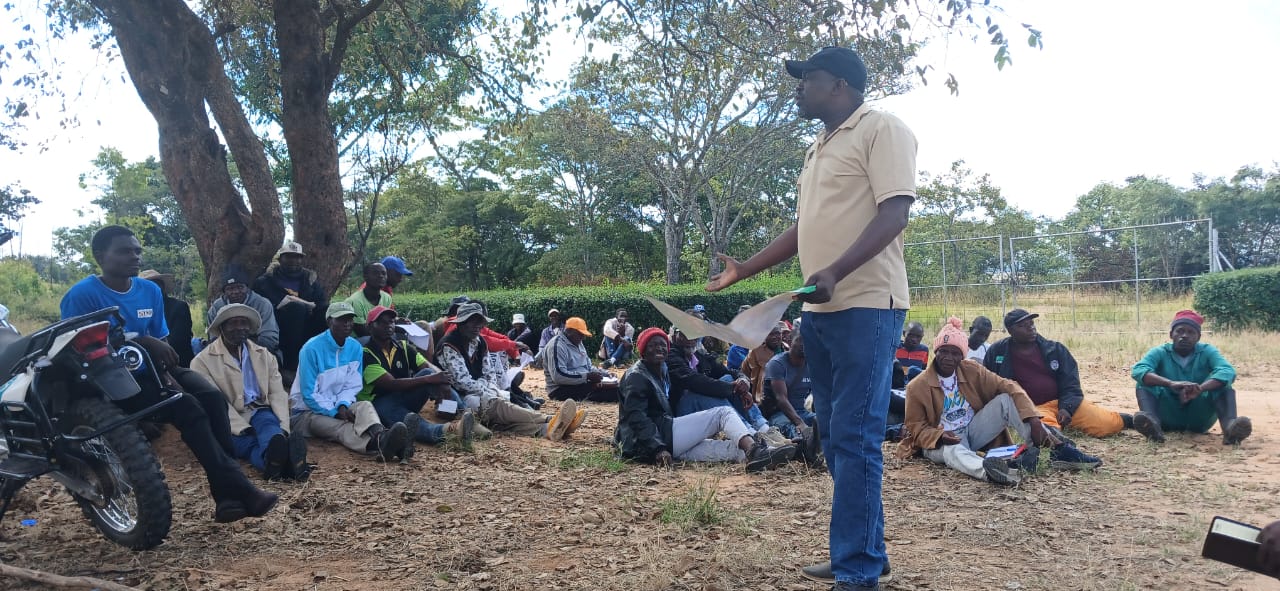
As the dry months approach, bringing the perennial threat of destructive veldt fires, the Marondera Rural District Council (MRDC) has taken a proactive stance to protect lives, property, and the environment. In a massive collaborative effort with the Environmental Management Agency (EMA), the Forestry Commission, and local stakeholders, the district is rolling out an intensive veldt fire awareness campaign aimed at commercial, resettlement, and rural farming communities.
Veldt fires pose a severe threat to Marondera’s rich agricultural base, destroying pastures, crops, livestock, and critical infrastructure. To combat this, the district has shifted from a reactive approach to a strategy of extreme preparedness and prevention.
A Multi-Channel Communication Strategy
To ensure no community is left behind, MRDC and its partners are utilizing a wide array of communication channels to disseminate critical fire safety information. The comprehensive strategy includes:
- Digital Outreach: Widespread use of bulk SMS blasts, targeted social media campaigns, and dedicated resources on the official MRDC website.
- Print Media: Distribution of educational fliers in strategic community hubs and rural service centers.
- On-the-Ground Engagement: Hosting localized awareness meetings and highly visible fire prevention and firefighting demonstrations.
By combining modern digital communication with traditional community engagement, the council aims to reach every household, farmstead, and business in the district.
On the Ground: Karimba Primary School Initiative
The campaign’s grassroots approach was on full display this past Wednesday when the District Fire Committee hosted a major awareness meeting at Karimba Primary School. The event brought together local leadership, farmers, and residents for hands-on education.
Experts from EMA and the Forestry Commission delivered critical training focused on three distinct phases of fire management:
- Pre-suppression: Preventative measures, including the mandatory construction of standard fireguards (at least 9 meters wide), reducing fuel loads by clearing dry vegetation, and ensuring early warning systems are in place.
- Suppression: Safe and coordinated firefighting techniques. The community was trained on how to effectively respond to an active blaze without endangering human life, utilizing available tools and reading wind patterns.
- Post-suppression: The necessary steps to take after a fire has been extinguished, including assessing environmental and property damage, reporting the incident to authorities, and mapping out recovery efforts.
Rebuilding the First Line of Defense
A critical outcome of the Karimba Primary School meeting was the reconstitution and auditing of the local community firefighting teams.
Because rural fires can spread rapidly before central emergency services arrive, local readiness is paramount. The District Fire Committee took the time to verify the overall readiness of these local units, ensuring they understand their roles, communication protocols, and safety procedures ahead of the peak fire season.
Emergency Response and Contact Information
The Marondera Rural District Council urges all residents to remain vigilant. Landowners and farmers are reminded that it is a statutory offense to fail to put in place standard fire prevention measures.
If you spot a fire, do not assume someone else has reported it. Rapid response is the key to minimizing devastation.